Adytum Sanctuary:
Nourishing Soil, Wildlife, and Community
A Mission of Food Sovereignty and Stewardship
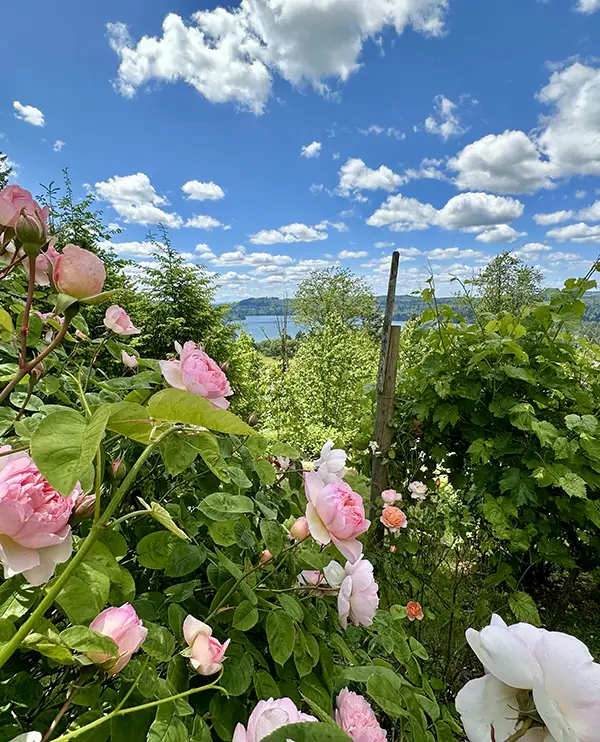
Welcome to Adytum Sanctuary, a living testament to regenerative abundance on nearly 16 organic acres in Mossyrock, Washington. Overlooking the sparkling waters of Lake Mayfield and nestled amid private forest lands dominated by majestic Douglas fir and alder, our sanctuary embodies a profound commitment to food sovereignty, soil health, food security, and harmonious coexistence with all of creation. Here, we cultivate not just for people, but for the entire web of life – birds, deer, squirrels, chipmunks, skunks, rabbits, coyotes, bees, pollinators, and beyond.
Our Mission: Food for Us All
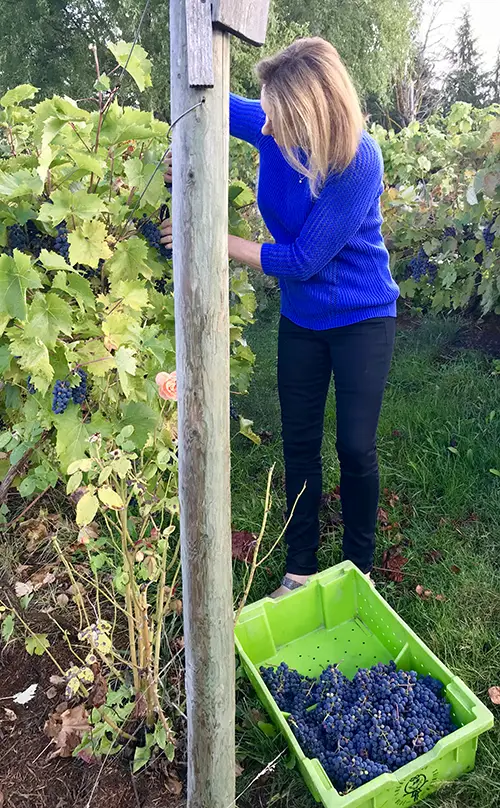
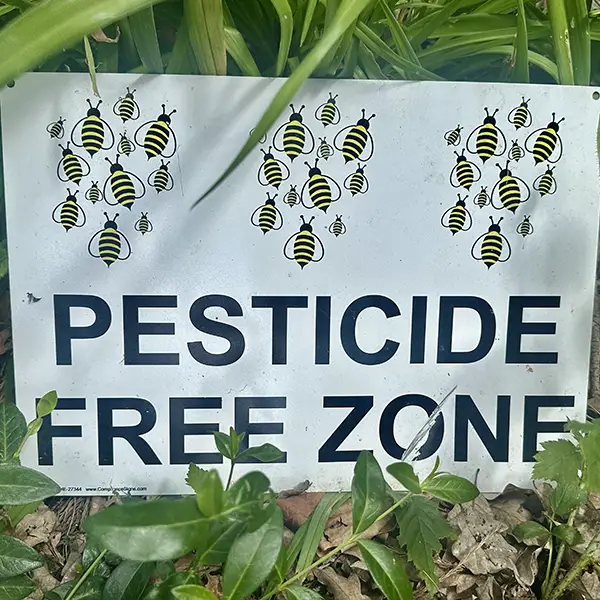
At the heart of Adytum Sanctuary lies a vision rooted in deep reverence for the land. Drawing inspiration from the teachings, writings, and practices of Katherine (Kat) Carroll, our mission demonstrates that true prosperity flows from investing in organic, pesticide and herbicide-free living soil, perennial systems, and regenerative practices that yield returns for generations. We create food forests and edible landscapes that provide nourishment, habitat, and resilience.
“Look at the birds of the air; they do not sow or reap or store away in barns, and yet your heavenly Father feeds them.” (Matthew 6:26)
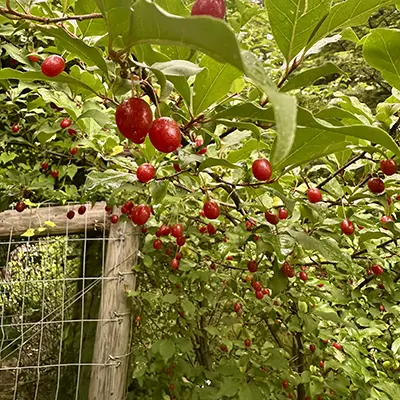
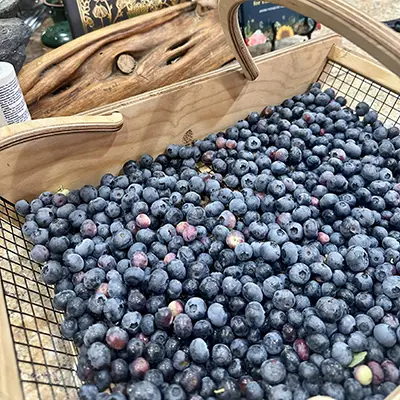
This scripture reminds us of divine provision. At Adytum, we act as humble partners in that provision. God cares for the birds through ecosystems He designed—and through stewards like us. We plant blueberries and preserve the wild cherries that ring the sanctuary that feed coyotes and songbirds. We maintain natural grasslands, plant wildflowers for pollinators and install bat and bird boxes. Natural springs and preserved forest canopy sustain life. In tending the soil, we align human effort with divine abundance for wildlife and people.
A Personal Journey: From Chemical Legacy to Regenerative Dedication
Katherine Carroll’s family pioneered agricultural aviation in Cuba from their airports in Florida and North Carolina. Her father worked as a crop duster, and her mother—a daring wing walker, parachutist, and one of the first female helicopter pilots in the free world—promoted chemical applications to protect and boost farmer yields. These innovations initially delivered clear benefits, safeguarding harvests and supporting food production.
Yet as chemical, pesticide, and herbicide use grew exponentially, the synergistic harms to soil, ecosystems, pollinators, and health became undeniable. This legacy of transformation fuels the Carrolls and Adytum’s unwavering commitment: reject synthetics, strengthen living soil through regenerative practices, and build resilient, chemical-free food forests that nourish people and wildlife alike.
Kat extends this mission globally. A Nutritional Therapy Practitioner since 2004 and executive with the National Health Federation since 2011, she earned the 2014 NHF Health Freedom Hero Award for her health freedom work, writing, and advocacy at international Codex Alimentarius meetings with the NHF Delegation, where food guidelines and standards are set for the Planet. Issues at Codex involve food and bodily sovereignty, food safety, soil integrity, and access to vitamins and minerals with therapeutic levels. NHF was the first to champion the bees and the soil at various Codex Committees such as Food Additives (CCFA), Codex Committee on Contaminants in Foods (CCCF), and Codex Committee on Residues of Veterinary Drugs in Foods (CCRVDF).
Roots in the Land: Historical Stewardship of Our Homestead
Adytum Sanctuary continues a rich legacy of settlement on land overlooking Lake Mayfield, the Cowlitz and Tilton rivers, and Ike Kinswa State Park in Lewis County. The area was part of early 20th-century homesteading. Adytum land was part of the original 80-acre homestead of Charles B. Kendall, patented on May 5, 1888.
Kendall left his property to his two daughters, Lida Kendall Brockhagan and Josephine Kendall Cockey. After Josephine died in 1939, the 80-acre property was sold to Robert Craig in 1940. The 1948 Metsker Lewis County map shows the owner of that same 80 acres is Merle Strawder but a deed on file with the Lewis County Auditor shows he sold it to Edward and Olga Lindstrom in Feb. 1947. The Auditor’s files indicate the Lindstrom’s sold the 80-acres to W.B. and Juanita Ludwig in January 1951.
The property changed hands and was subdivided into smaller parcels several times after that until the Carrols purchased the virgin forestland that would transform into Adytum Sanctuary. The land sat adjacent to railroad grants, which aided timber and agricultural transport in the Cowlitz River valley region.
This landscape carries deeper stories from the Indian Wars in Washington Territory (1850s), including tensions with Klickitat peoples during the Puget Sound and Yakima conflicts. Early settlers and militia members, some veterans of later wars like the Spanish-American War, navigated frontier challenges, with some facing violence and finding rest in local cemeteries.
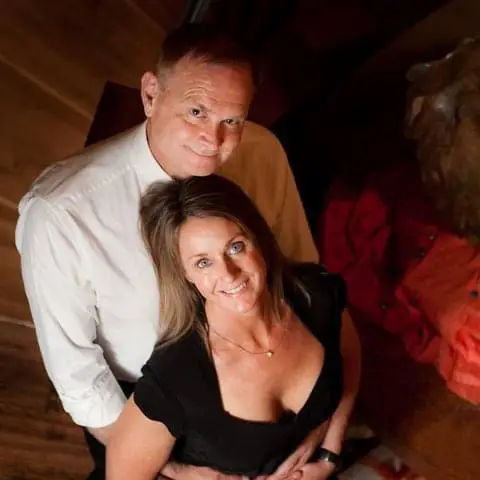
In the contemporary chapter, Donald (Donn) and Katherine (Kat) Carroll purchased the initial 5 acres of virgin forestland around 2006–2007, realizing a dream from 1995. They expanded by acquiring nearly 11 more acres of adjacent timberlands featuring natural springs. Today, they steward this historic ground without herbicides, pesticides, or clear-cutting, transforming it into a regenerative sanctuary that honors pioneer resilience while forging a hopeful, abundant future.
For deeper historical research, explore Lewis County Auditor land records and archives via the Washington State Digital Archives or the Lewis County Historical Museum.
Our nearly 16 organic acres encompass:
- Private Forest Lands: Douglas fir and alder, managed without herbicides, pesticides, or clear-cutting. These provide canopy habitat, timber stewardship with old growth as the goal, and natural springs.
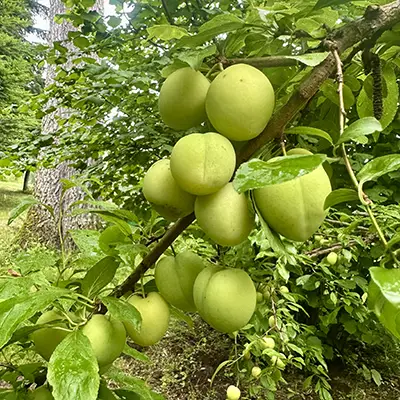
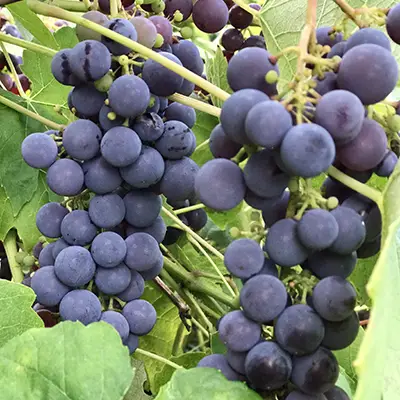
- Expanding Food Forests: Perennial systems with trees, shrubs, herbs, groundcovers, and vines. Forage plums, kiwis, grapes, apples, herbs, berries, and more.
- Wildlife Habitat: Certified Wildlife Habitat and bird sanctuary. Diverse species thrive, supported by active feeding,passive grazing, and habitat creation including Bat boxes, bird boxes, bedding down areas for deer, and wildflower plantings support pollinators.
- Gardens and Orchards: Chemical-free spaces aligned with Blue Zone principles.
- Water Features: Koi pond, waterfalls, fountains, springs, and active water stations for bees, birds, and wildlife.
Located in a rich agricultural region known for blueberries, hydroponic and strawberry production, and more, Adytum complements and contrasts local practices by modeling regenerative alternatives.
Soil is the Ultimate Investment. Decades of building organic matter through no-till, composting, mulching, and diversity yield compounding returns. We collaborate with the Natural Resources Conservation Service (NRCS) and Soil Conservationists to conserve soil and enhance wildlife habitat.
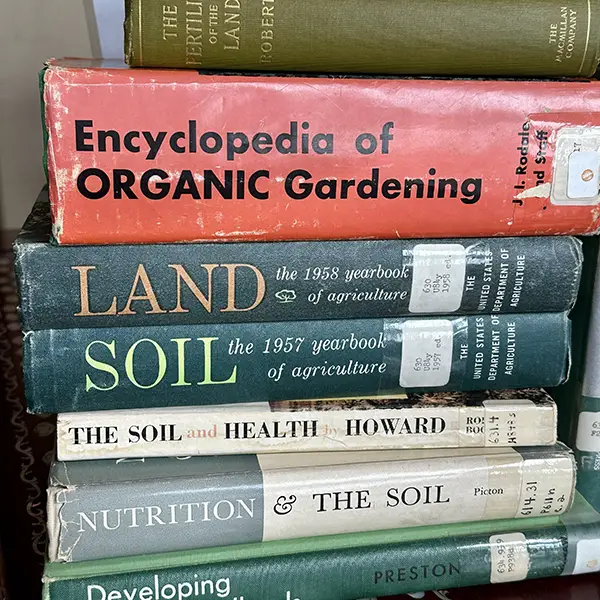
Complementing the sanctuary is the Foundation for Health Research’s NHF Memorial Library, of which Katherine is Executive Director and CFO. It is located at the nearby Medical Vision Center (The Carroll’s optometry office in Morton, WA, just 10 miles away). This private research library offers guests rare and current books on soil management, herbology, all aspects of gardening—including permaculture, electroculture, greenhouse management, hydroponics—and broader health freedom topics. Guests of Adytum Sanctuary, sister organization to Adytum Properties, enjoy access to these resources alongside lodging for writers’ and researchers’ retreats, specialized workshops, and guided food forest tours.
Plans for Workshops and Eco-Agriculture Tourism
Adytum Properties will expand into dynamic eco-agriculture tourism and educational programming, leveraging our location amid productive farmland.
Workshops and Educational Offerings (Launching progressively over the next 2–5 years):
- Permaculture and food forest design: Hands-on sessions planting guilds and building soil.
- Private forest management.
- Regenerative soil health: Composting, mycology, no-chemical fertility, and carbon sequestration.
- Creating a bird and wildlife habitat
- Workshops on tinctures, teas, gut microbiome/yogurt making, detoxification and fasting for health, Blue Zone and Mediterranean Diet
- Food sovereignty and nutrition: Ties to Kat’s NHF/Codex work, including therapeutic nutrition and supplement advocacy.
- Wildlife habitat creation: Installing boxes, planting for pollinators, and monitoring.
- Family-friendly foraging and wildcrafting: Safe, guided experiences.
- Health freedom and policy: Discussions on Codex, global food systems, and personal empowerment—enhanced by library resources.
- Book signings and lectures by featured authors at the NHF Memorial library
Eco-Agriculture Tourism Initiatives:
Guided tours of the food forest, forests, and habitat features, highlighting contrasts with conventional blueberry/strawberry/hydroponic systems, often paired with library visits and lectures by authors.
- Seasonal stays focused on farm-to-table experiences using on-site produce.
- Partnerships with local producers for comparative tours.
- Retreats combining wellness, forest bathing, kayaking on Lake Mayfield, agricultural education, writing/research residencies, and library access.
- Community days for volunteers or school groups.
These programs will generate revenue for further land improvements and food forest expansion through the forest land while inspiring visitors to adopt regenerative practices at home.
Projections for the Future: Expansion Across 16+ Acres
We envision thoughtful growth deepening our impact over 5–10 years:
- Food Forest Maturation: Expand along Skyview Drive and back acres. Projected: 2–3x foraging yields and biodiversity gains.
- Wildlife Enhancements: More boxes and meadows. Stronger habitat connectivity via NRCS support.
- Soil and Resilience: Advanced regenerative techniques for documented improvements.
- Education and Tourism Hub: Dedicated workshop space, increased eco-tourism programming, library-integrated retreats, and partnerships. Aim: Host hundreds annually, amplifying food sovereignty education.
- Legacy Building: Value-added products, enhanced water management, and demonstration model for regional landowners.
- Education and Tourism Hub: Dedicated workshop space, increased eco-tourism programming, library-integrated retreats, and partnerships with World Wide Organic Opportunity Farmers (Wwoof). Aim: Host hundreds annually, amplifying food sovereignty education.
These build on 20+ years of Carroll stewardship—and over a century of homesteading history—creating a resilient, abundant legacy.
Why This Matters
Adytum addresses supply chain fragility, soil degradation, and health challenges. Food sovereignty reclaims control through local systems. Our food forests enhance food security while modeling scalable practices. Sharing with wildlife underscores interconnection. Kat’s journey—from chemical heritage to Codex advocacy—fuels our chemical-free commitment and defense of safe foods and nutrient access. Continuing the stewardship of Charles B. Kendall and generations since, we bridge pioneer resilience with regenerative care. The NHF Memorial Library extends this knowledge, empowering guests with practical wisdom from rare and uncensored volumes, and current research for soil, gardens, and health.
This integrates faith, science, and action. As stewards, we invest in soil knowing returns multiply.
Join Us in This Mission
Experience Adytum through a stay, workshop, or tour. Your visit supports habitat protection, provision, and expansion, soil building, and education. Book suites like Orion or First Light for foraging, birdsong, renewal, and access to the NHF Memorial Library for deeper study.
Adytum invites you to participate in this legacy of care for people, soil, and creation under God’s provision.
“A garden of Eden… Paradise… A slice of heaven.”
Owned and Operated by Adytum Properties, LLC